
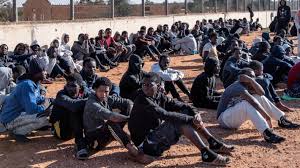

The Government of the Republic of South Sudan has vowed to take robust measures to address what it characterises as a burgeoning pattern of maltreatment and mass deportations of its nationals across North Africa and the Sahel, specifically citing Egypt, Sudan, and Libya.
In a formal communiqué issued on Thursday, the Ministry of Foreign Affairs and International Cooperation expressed its “profound concern” regarding the deteriorating humanitarian conditions facing South Sudanese citizens abroad. The Ministry warned that many nationals have been subjected to arbitrary arrests, prolonged detentions, and physical abuse prior to their summary expulsion and forced repatriation.
The government’s statement highlighted a particular concern for the welfare of vulnerable groups caught in the diplomatic crossfire.
“It has been observed with serious concern that a high number of South Sudanese, who have been forcefully deported… were subjected to harassment, arrests, detentions, imprisonment and maltreatment among others,” the Ministry stated.
Officials emphasised that women, children, students, and the elderly have been disproportionately affected. Reports suggest that these punitive measures are ongoing, casting a shadow over the safety of South Sudanese communities still residing within the host nations.
Framing the crisis as a matter of urgent national priority, the Ministry confirmed that it is currently engaging with foreign authorities at the “highest levels.” Diplomatic representations are being made both in Juba and within the respective capitals of the involved nations to secure an immediate cessation of the deportations and to ensure the fundamental protections of South Sudanese nationals.
To streamline the state’s response, the government has announced the formation of a multisectoral task force. This body is mandated to: Intensify diplomatic pressure through formal channels, Pursue “amicable” and sustainable solutions with host governments, and Co-ordinate the reception and screening of returnees.
While the government pursues these high-level negotiations, it has urged South Sudanese living abroad to remain calm, strictly adhere to the laws of their host countries, and maintain close contact with their respective embassies.
The gravity of the situation was further underscored by the South Sudan National Police Service, which confirmed that a group of recent deportees is currently under investigation.
Major General Daniel Justin, the police spokesperson, detailed two specific arrivals on 20 April: Juba: Ten individuals arrived via an EgyptAir flight from Cairo, and Renk: Twenty-eight individuals were transported overland from Sudan to the border town in Upper Nile State.
According to the police, these individuals arrived without valid legal documentation. They are presently undergoing rigorous screening to verify their identities and to assess any legal or security implications surrounding their removal from their host countries.
As public pressure mounts, the administration in Juba faces the complex challenge of balancing regional diplomatic relations with its sovereign duty to protect its citizens from external exploitation and harm.







Leave a comment