

By Promise Nkemakolam Everest
In today’s competitive business environment, having a good product or service is no longer enough; people must know it exists, understand its value and have a reason to choose it. This is where advertising becomes indispensable.
Advertising is more than placing announcements in newspapers, buying radio airtime, displaying billboards or promoting products on social media. It is a strategic communication tool that helps businesses build brand awareness, attract customers, distinguish themselves from competitors and achieve sustainable growth.
In Nigeria, where businesses face economic pressures, changing consumer preferences and intense competition, advertising should not be regarded as an unnecessary expense. It is an investment in visibility, customer confidence and business survival.
Effective advertising does more than attract attention; it communicates value, influences consumer decisions and encourages action. Whether a small business in Port Harcourt is promoting its products or a major corporation is launching a new service, advertising helps communicate what makes a brand different and why consumers should choose it.
For small and medium-sized enterprises, advertising creates opportunities to reach new customers, expand into new markets and establish a recognisable identity. Consistent and credible communication can also encourage customer loyalty and repeat patronage.
However, visibility does not automatically translate into sales. An advertisement may reach thousands of people and still fail if the product is overpriced, unavailable or unable to meet customers’ expectations. Advertising must therefore be supported by quality products, competitive pricing and reliable customer service.
The real measure of successful advertising is not simply how many people see a message, but how effectively it communicates value and contributes to business objectives.
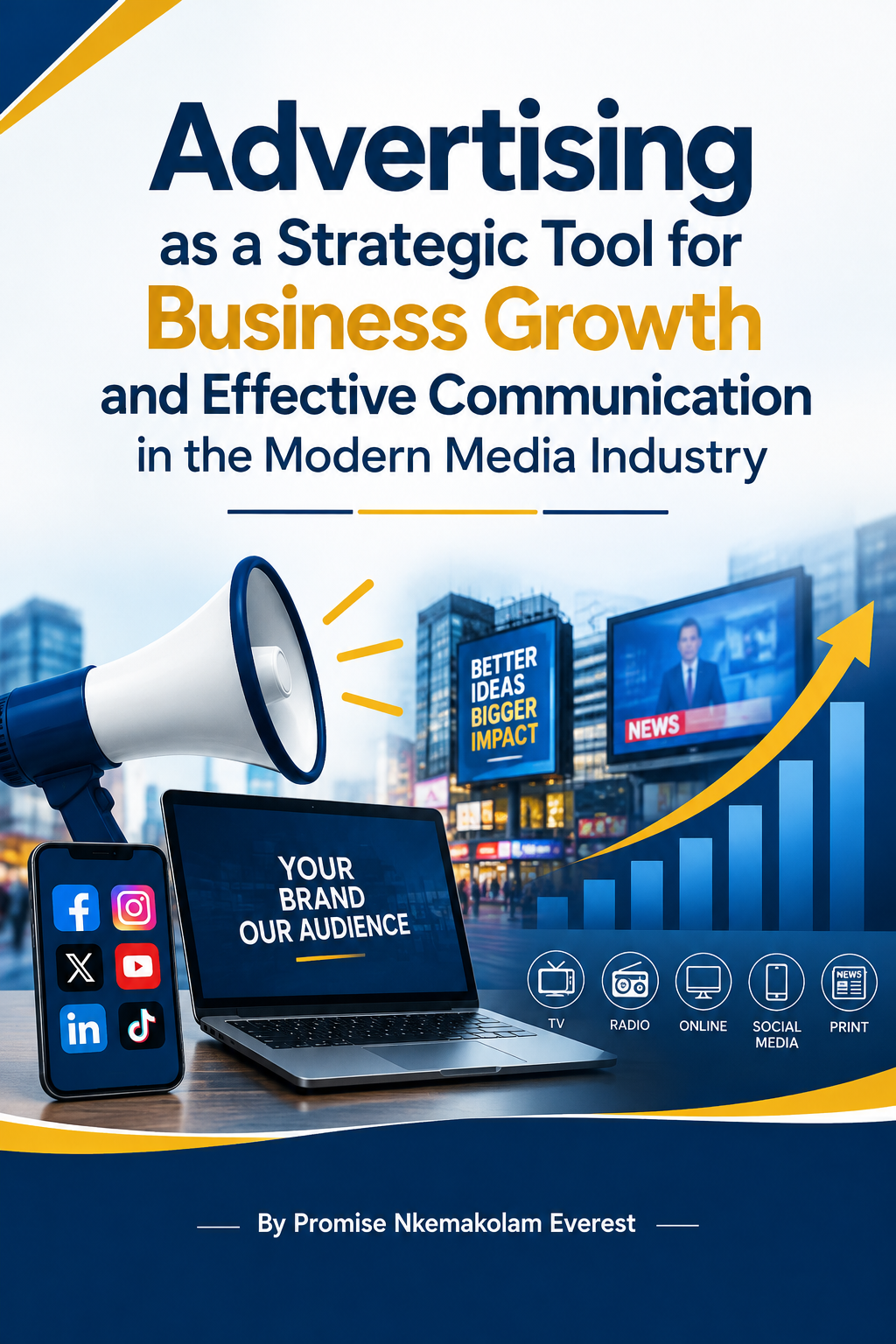
Nigeria’s media landscape offers businesses several channels for reaching their target audiences. Radio remains valuable for engaging local communities, television provides opportunities for visual storytelling, while newspapers and outdoor advertising continue to serve important communication needs.
Digital platforms have further transformed the industry. Through social media, websites, search engines and online video, businesses can reach specific audiences, showcase their products and interact directly with potential customers.
This development has created opportunities for small businesses to compete for attention without necessarily committing the substantial budgets associated with large-scale traditional advertising campaigns.
Nevertheless, digital advertising is not automatically more effective than traditional media. The right channel depends on the target audience, campaign objectives and available resources. For many Nigerian businesses, combining traditional and digital platforms can improve reach and reinforce a consistent brand message.
Advertisers must also recognise Nigeria’s cultural, linguistic and economic diversity. Messages should reflect local realities, consumer purchasing power and audience preferences to ensure that campaigns are relevant, respectful and persuasive.
Despite its importance, advertising faces challenges, including rising costs, intense competition for attention and the spread of misleading promotional claims.
Some businesses exaggerate product benefits or make promises they cannot fulfil. Such practices may generate temporary interest, but they can damage reputations and erode consumer confidence.
Ethical advertising must be truthful, transparent and responsible. Advertisers should substantiate their claims, communicate relevant conditions clearly and comply with applicable regulations, including those administered by the Advertising Regulatory Council of Nigeria (ARCON).
Measuring advertising effectiveness is another challenge. High audience reach, numerous online views or social media likes do not necessarily translate into sales. Businesses should evaluate meaningful indicators such as customer enquiries, purchases, repeat patronage and the cost of acquiring new customers.
Advertising budgets should be guided by research, clear objectives and measurable outcomes rather than guesswork or the desire to appear popular.
For advertising to deliver greater value, Nigerian businesses must adopt a strategic and audience-centred approach.
First, they should understand their target markets before developing campaigns. Second, they should select media channels according to audience reach, relevance and cost. Third, they must communicate genuine benefits rather than make exaggerated promises. Finally, they should measure campaign performance and use the findings to improve future decisions.
Media organisations also have a responsibility to provide credible platforms, reliable audience information and professional services that help advertisers assess the value of their investments.
Above all, businesses must understand that consumer trust is a valuable asset. No amount of publicity can permanently compensate for poor products, dishonest claims or disappointing customer experiences.
Advertising remains a powerful instrument for business growth and effective communication in the modern media industry. However, its greatest value lies not in the volume of publicity generated, but in its ability to communicate genuine value, build trust and produce measurable results.
In Nigeria’s evolving business environment, organisations must move beyond the belief that advertising is simply about being seen or heard. They must embrace research, creativity, appropriate media selection and ethical communication as essential elements of a successful advertising strategy.
Ultimately, effective advertising is not about making the loudest noise; it is about delivering the right message to the right audience, earning consumer confidence and turning communication into sustainable business growth.
Promise Nkemakolam Everest, writes from the Department of Public Relations and Advertising, University of Port Harcourt (UNIPORT)











Leave a comment