
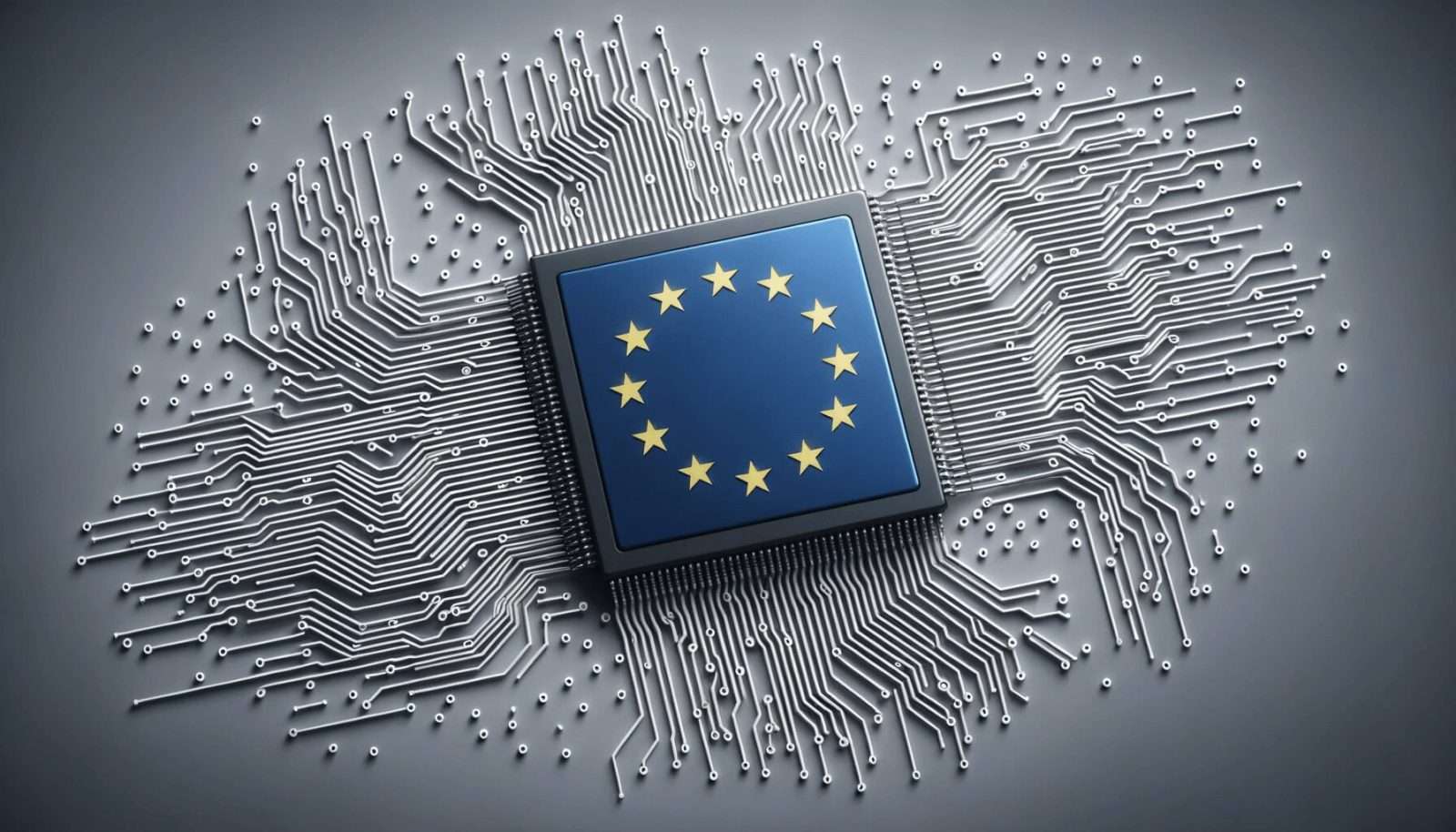

For the first time, a major global regulator has the power to punish AI companies for hiding when a chatbot, a deepfake, or a piece of AI-written content is, in fact, artificial. As of August 2, 2026, that regulator is the European Union — and its new rules are already reshaping how AI companies operate, even outside Europe.
What Changed
Under the EU’s Artificial Intelligence Act, a set of transparency rules known as Article 50 officially took effect this month. In plain terms, they require:
- Chatbots and AI assistants to clearly tell users they’re talking to a machine, not a human.
- Deepfakes — videos, images, or audio edited or generated with AI — to be labeled as such.
- AI-generated content more broadly (text, images, audio, video) to carry a machine-readable marker, so platforms and tools can automatically detect that it was AI-made.
Alongside these disclosure rules, the EU’s AI Office also gained real enforcement power for the first time. It can now investigate AI companies, demand access to their models, order fixes, and issue fines of up to €15 million or 3% of a company’s global revenue — whichever is higher.
Why It Applies Beyond Europe
The rules aren’t limited to companies headquartered in the EU. Any company whose AI product is used by people in Europe — or whose AI-generated content reaches European users — falls under these obligations. In practice, that means most major AI tools used worldwide, including many popular chatbots and content-generation platforms, now have to build in these disclosures somewhere in their systems, regardless of where the company itself is based.
For everyday users outside Europe, the practical effect is that AI products used globally may start looking a little different: more visible “AI-generated” labels, more chatbots that explicitly say “I’m an AI,” and clearer markers on edited or synthetic media — changes that are being built for European compliance but are often simplest for companies to roll out everywhere at once.
The Bigger Picture
This isn’t a one-off rule; it is one piece of a broader shift already underway in how governments approach AI oversight. Where the industry has, until now, largely governed itself through voluntary guidelines and internal policies, Europe has drawn a hard legal line — with real financial consequences for companies that cross it.
Other regions are watching closely. For now, there is no equivalent binding federal law in many parts of the world, though individual laws and proposals addressing specific concerns — like AI-generated election content — are emerging in scattered form elsewhere. That leaves the EU, for the moment, as the strictest and most concrete model of what AI accountability looks like in practice.
Whether this pushes other countries toward similar legislation, or simply becomes “the European rule that global companies quietly comply with,” is the question that will shape how AI regulation develops over the next few years.
Written by Enigmaking, a web design and technical implementation studio.













Leave a comment