
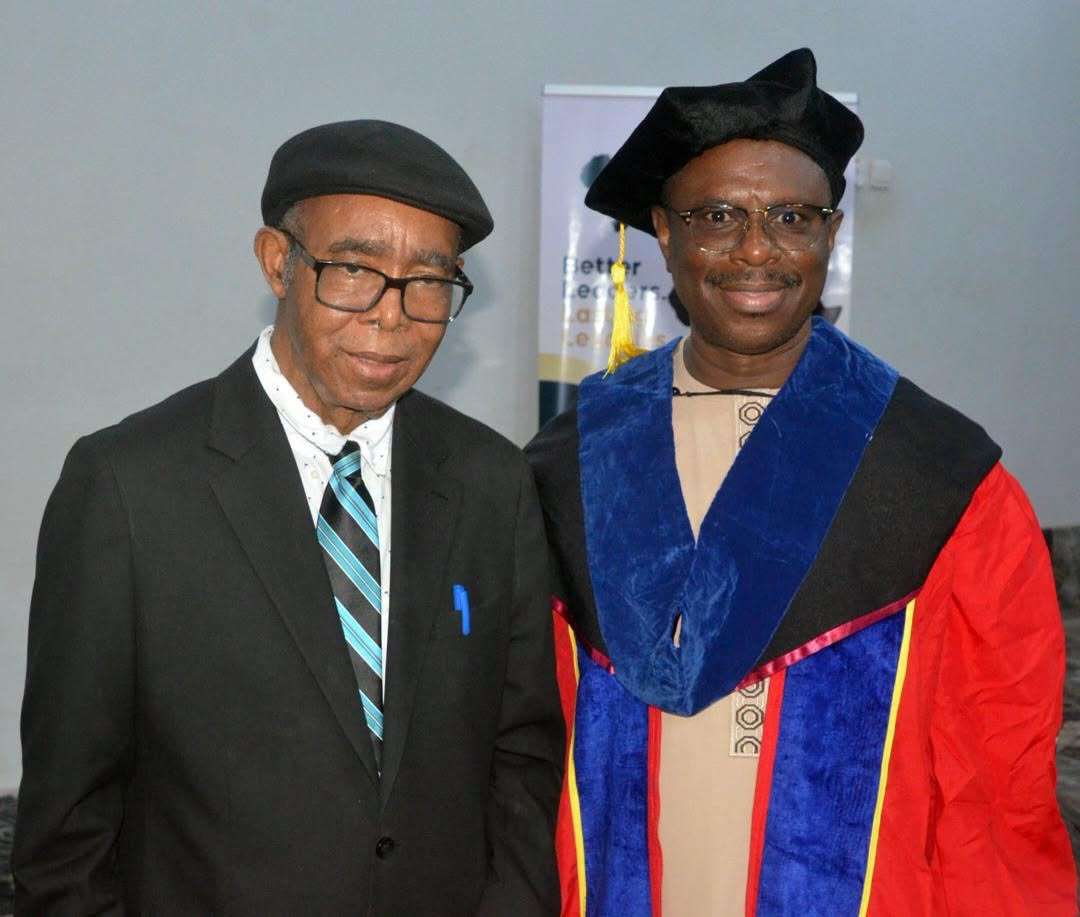

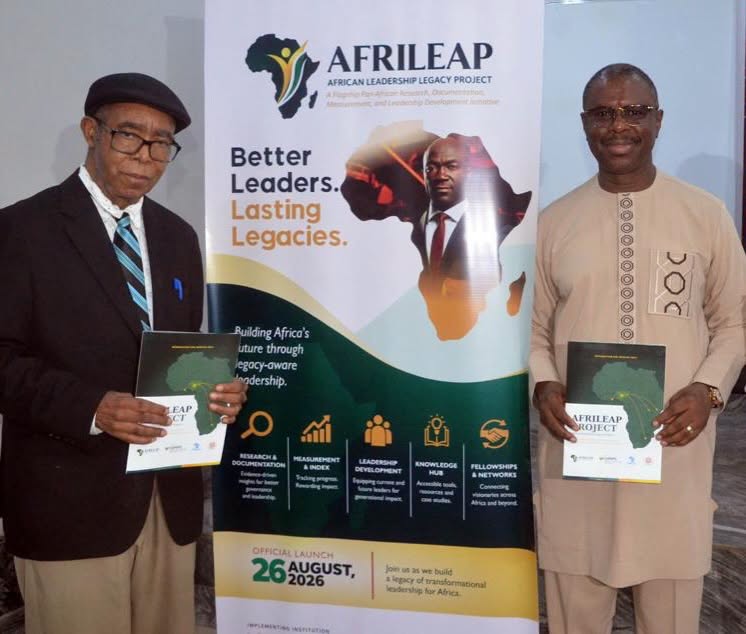
The African University of Science and Technology (AUST), Abuja, has appointed former Director-General of the Nigerian Maritime Administration and Safety Agency (NIMASA), Dr Dakuku Peterside, as Director of its newly launched African Leadership Legacy Project (AFRILEAP), an initiative aimed at redefining leadership assessment and promoting sustainable governance across Africa.
The project, established through the university’s Centre for Pan-African and Peace Studies (CePAPS), seeks to shift the focus of leadership evaluation beyond immediate achievements and political tenure to enduring impact, institutional development, human capital investment and accountable governance.
Peterside announced his appointment in a statement expressing appreciation to AUST and CePAPS for the confidence reposed in him, describing the initiative as an opportunity to contribute to a new culture of purposeful and responsible leadership on the continent.
He said AFRILEAP would develop evidence-based frameworks and practical tools to help assess the long-term contributions of leaders, strengthen institutions, nurture future generations and ensure that development initiatives survive changes in leadership.
“What do you want to be remembered for long after you are gone?” he asked, describing the question as central to the philosophy behind the project.
He maintained that Africa needed leaders whose contributions would outlive their time in office, stressing that leadership should be measured not merely by positions occupied or immediate accomplishments, but by the institutions established, opportunities created and lasting benefits delivered to society.
“Africa needs leaders who build legacies, not just hold positions,” he said.
According to details released by AUST, AFRILEAP will address the persistent challenge of policy discontinuity across African countries, where development programmes, institutional reforms and public policies are frequently weakened or abandoned following changes in political leadership.
The initiative will develop an African Leadership Legacy Index to assess leadership performance across five dimensions: values transmission, institutionalisation of systems, human capital development, socioeconomic impact, and public and organisational memory.
The framework is expected to provide a structured basis for examining the legacies of historical figures, contemporary public-sector leaders and private-sector executives.
AUST President, Professor Azikiwe Peter Onwualu, has pledged the university’s full support for the initiative, noting that its objectives align with the institution’s commitment to advancing Africa’s development through research, innovation and human capacity development.
The Director of CePAPS, Professor Chudi Uwazurike, also pledged the centre’s commitment to the successful implementation and wider adoption of the project. Dr Bosco Chukwudumebi Okolo-Obi will serve as Programme Manager.
AFRILEAP will commence its research activities in Nigeria, with comparative studies planned across Ghana, Kenya, South Africa, Egypt and Rwanda.
The project’s multidisciplinary team comprises scholars and professionals with expertise in governance, technology, sustainability, peacebuilding, communications, institutional resilience and leadership development.
Over the next 18 months, the initiative plans to develop the indicators underpinning the African Leadership Legacy Index, alongside an African Leadership Legacy Framework, an open-access knowledge hub, policy briefs and executive masterclasses.
It will also introduce a 12-month Future Legacy Leaders Fellowship aimed at equipping emerging leaders with the knowledge and skills required to build sustainable institutions and contribute to Africa’s development.
The project is expected to engage policymakers, academic institutions, development organisations, philanthropic foundations and corporate bodies in its research, policy engagement and leadership development programmes.
Peterside said he looked forward to working with scholars, institutions and strategic partners across Africa and beyond to advance the initiative’s objectives.
With its emphasis on institutional continuity, human capital development and accountable governance, AFRILEAP seeks to contribute to a broader conversation about the quality of leadership on the continent and the importance of building systems that endure beyond individual administrations.










Leave a comment