

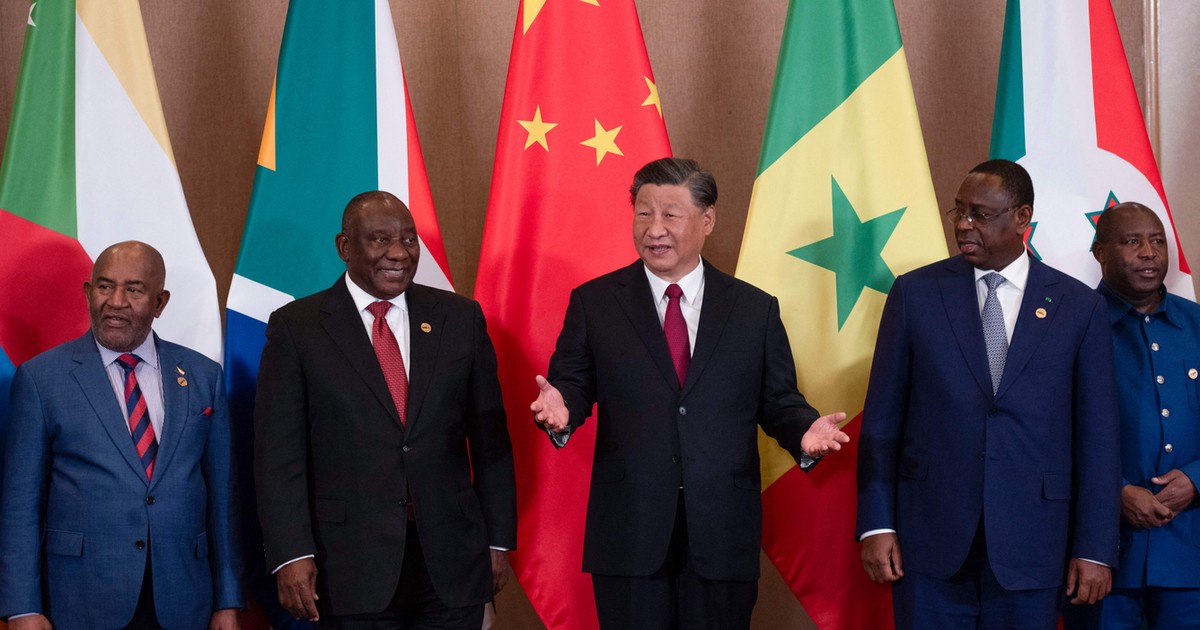

In a landmark shift for global South-South cooperation, the Chinese government has announced that it will implement a comprehensive zero-tariff policy for imports from 53 African nations, state media reported on Saturday.
Effective from 1 May 2026, the initiative applies to all African countries with which China maintains formal diplomatic relations—effectively every nation on the continent except Eswatini. The move is seen by economists as a strategic pivot by Beijing to deepen its economic footprint while addressing long-standing trade imbalances.
According to a report by China’s state television, the zero-tariff treatment is part of a broader “upgraded mechanism” designed to facilitate the seamless entry of African goods into the Chinese market.
Central to this strategy is the further expansion of the “green channel,” a dedicated customs and regulatory framework intended to expedite the inspection and clearance of African agricultural products and manufactured goods. This system has already proven successful in reducing clearance times for perishable items, such as Kenyan avocados and South African citrus, from over a week to just two or three days. The expansion aims to reduce the logistical hurdles that have historically hindered African exporters from scaling their operations in Asia.
The Three Pillars of the 2026 Trade Agreement
The new framework is built upon three primary pillars designed to transform bilateral commerce into a more structured and efficient system:
Comprehensive Duty Elimination: Starting in May 2026, China will fully implement zero-tariff treatment for 100% of tariff lines. This removes financial barriers for a vast range of products, allowing African exporters to compete more effectively within the Chinese market of 1.4 billion consumers.
Operational Trade Facilitation: Through the ongoing upgrade of the “Green Channel,” Beijing is streamlining inspection and quarantine procedures. By prioritizing African cargo during peak seasons and providing dedicated customs officers, the initiative aims to lower transaction costs and minimize the risk of spoilage for value-added commodities.
Formal Economic Partnership: Looking toward 2026 and beyond, China is accelerating the negotiation of Economic Partnership Pacts for Shared Development. These agreements seek to move beyond simple trade to establish formal legal frameworks for investment, technology transfer, and industrial cooperation, particularly in green industries and the digital economy.
The announcement comes at a time when many African nations are seeking to leverage the African Continental Free Trade Area (AfCFTA) to boost industrialization. China’s new policy provides an external stimulus for this goal; by eliminating duties, Beijing is encouraging African nations to move beyond raw material exports toward manufactured goods and processed agricultural products.
As the May 1 deadline approaches, African trade ministries are expected to begin aligning their domestic production standards with Chinese regulatory requirements to fully capitalise on this unprecedented market opening.











Leave a comment