
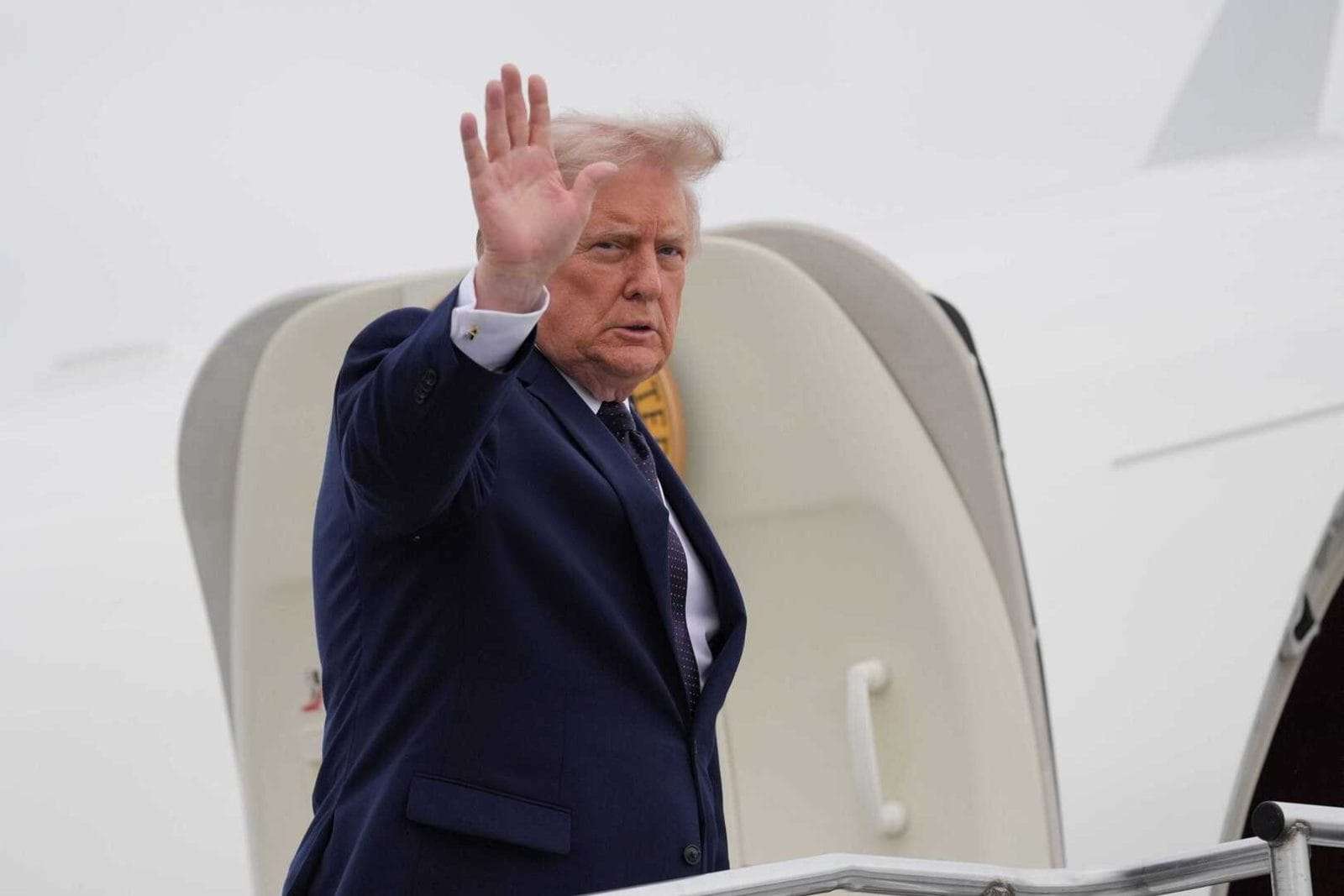

US President Donald Trump has announced that a memorandum of understanding aimed at securing a ceasefire in the conflict involving the United States, Israel, and Iran has been “largely negotiated”.
Speaking following a series of telephone conversations with leaders and senior officials across West Asia, President Trump indicated that the proposed framework would include the reopening of the strategically vital Strait of Hormuz. He noted, however, that the draft agreement remains subject to final approval from American and Iranian negotiators, as well as several other nations involved in the multilateral discussions.
The diplomatic breakthrough follows a brief but what the Pakistani military termed a “highly productive” visit to Tehran by Pakistan’s Army Chief, General Asim Munir. Islamabad reported that “encouraging progress” had been achieved towards a broader regional understanding during the swift mediation effort.
President Trump consulted extensively with leaders from Qatar, Saudi Arabia, the United Arab Emirates, Pakistan, Jordan, Egypt, Türkiye, and Bahrain, before confirming a separate, individual conversation with Israeli Prime Minister Benjamin Netanyahu.
“Final aspects and details of the deal are currently being discussed and will be announced shortly,” Mr Trump wrote on his social media platform, Truth Social.
The progress was welcomed internationally. Turkish President Recep Tayyip Erdogan hailed the advancement, stating that an eventual agreement would help restore free navigation through the Strait of Hormuz. Meanwhile, the Egyptian presidency issued a statement calling upon all relevant parties to capitalise on the current diplomatic momentum to secure a definitive settlement.
The sudden optimism caps a highly volatile week. Mr Trump had previously warned Tehran that time was running out to establish a durable ceasefire, later disclosing to reporters that he had been close to ordering a resumption of military operations before placing those plans “on hold” at the request of Gulf allies.
The military conflict began on 28 February, though large-scale hostilities have remained largely suspended since 8 April, punctuated only by sporadic, localized flare-ups. In the interim, a strict US naval blockade of Iranian ports has remained active, while Iran has maintained an effective closure of the Strait of Hormuz a choke point that has severely disrupted global shipping and energy markets.
Despite the recent progress, several critical and complex issues remain unresolved at the negotiating table. Chief among these points of contention is the future and long-term limitations of Iran’s nuclear programme, alongside disputes over Tehran’s ultimate role and jurisdiction in policing the Strait of Hormuz. Furthermore, negotiators have yet to find common ground regarding the enduring presence of United States military forces deployed across the region, as well as the mechanism for granting Iran access to its billions of dollars in frozen foreign assets.
Despite the positive signals from Washington, significant scepticism remains in Tehran. Iranian officials have repeatedly expressed deep distrust regarding direct negotiations with the United States, pointing to past American military strikes carried out during previous rounds of nuclear diplomacy as a reason for caution.










Leave a comment