

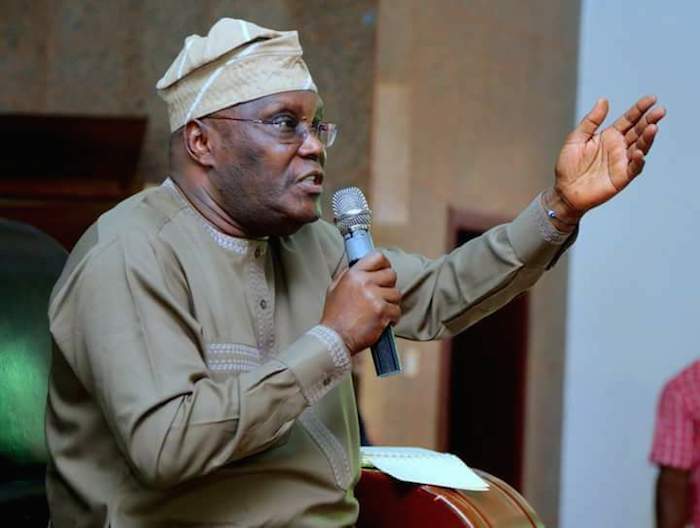

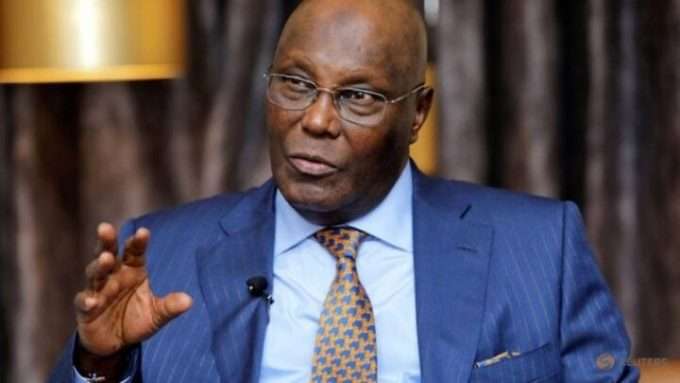
Former Vice-President Atiku Abubakar has formally called upon the Independent National Electoral Commission (INEC) to reconsider the recently announced timetable for the 2027 general election, citing a significant conflict with the Islamic holy month of Ramadan.
The electoral umpire had, on Friday, stipulated that the Presidential and National Assembly elections would be conducted on 20 February 2027, followed by the Governorship and State Houses of Assembly polls on 6 March 2027. INEC maintained that the selection of these dates was strictly informed by the provisions of the 1999 Constitution (as amended).
The proposed schedule has drawn immediate scrutiny as astronomical projections indicate that Ramadan is set to commence on or about 8 February and conclude around 10 March 2027. This timeline places both major election windows directly within the month of fasting, a period dedicated to reflection, prayer, and spiritual devotion for millions of Nigerian Muslims.
In a sternly worded statement issued on Friday, Mr Abubakar argued that the 20 February date sits “squarely within the Ramadan period,” and cautioned that such a clash could undermine the electoral process.
The former Vice-President emphasised that elections are more than mere administrative tasks; they are rigorous exercises that demand “maximum participation, physical endurance, and collective focus.” He contended that holding polls during a period of fasting could place an undue physical burden on both voters and electoral officials.
“Fixing such a critical civic exercise in the middle of a major religious observance reflects poor judgment and a troubling lack of sensitivity to the nation’s socio-religious realities,” Abubakar declared. He further asserted that in a pluralistic society, inclusive decision-making is a necessity to ensure that no segment of the population is disenfranchised by the timing of the vote.
Beyond the immediate religious concerns, the former Vice-President suggested that the oversight raises broader questions regarding the Commission’s readiness for the 2027 cycle.
“If INEC struggles with getting a simple matter of timing right, Nigerians are justified in asking: what assurance do we have that it will competently deliver free, fair, and credible elections in 2027?” he queried.
As of the time of reporting, INEC has yet to issue a formal rebuttal to the former Vice-President’s concerns. However, the brewing debate highlights the delicate balance the Commission must strike between constitutional deadlines and the cultural and religious fabric of the Nigerian electorate.




Leave a comment