

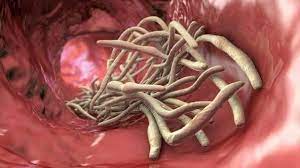

The Rivers State Government has formally commenced an extensive, statewide deworming exercise designed to eradicate Lymphatic Filariasis across eleven endemic Local Government Areas (LGAs).
The initiative is being spearheaded by the Rivers State Primary Health Care Management Board (RSPHCMB). To ensure the efficacy of the intervention, the Board has launched a rigorous state-level training programme, marking the official start of the 2025/2026 Mass Administration of Medicines (MAM) and Community-Based Deworming scheme.
The five-day campaign, which began on 17 January 2026, involves a high degree of technical coordination. The ongoing training has convened essential healthcare personnel, including Medical Officers of Health (MOHs), Local Neglected Tropical Disease (LNTD) focal persons, and Monitoring and Evaluation (M&E) officers. To maintain stringent standards during the rollout, each participating LGA has been assigned two state supervisors to oversee the field operations.
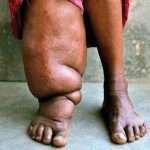
Lymphatic Filariasis, a debilitating mosquito-borne ailment often linked to inadequate sanitation and socio-economic challenges, remains a primary concern for the state’s health authorities. The condition is caused by microfilaria worms, which are transmitted to humans through the bite of infected mosquitoes. If left untreated, the disease can lead to chronic disfigurement and long-term disability.
The campaign represents a collaborative effort between the RSPHCMB and the Rivers State Ministry of Health, reflecting a unified governmental front against neglected tropical diseases. By targeting the most vulnerable communities, the administration aims to interrupt the transmission cycle of the parasite and safeguard the long-term well-being of the Rivers State populace.
Health officials have urged residents within the eleven designated LGAs to cooperate fully with the community health workers tasked with administering the medicines during this critical period.






Leave a comment