

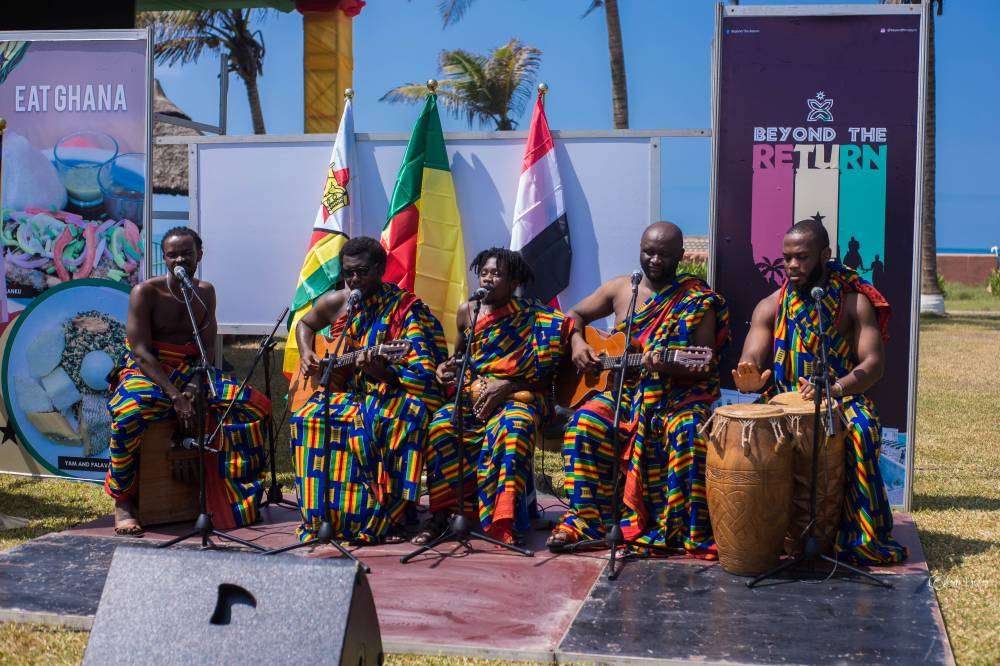

Highlife, the rhythm that has served as Ghana’s enduring sonic tradition for over a century, has achieved its highest international recognition yet, officially being inscribed on UNESCO’s prestigious Intangible Cultural Heritage list.
UNESCO cemented the recognition on Wednesday, November 10, hailing the genre as a “monumental expression of Ghana’s musical genius, culture, and global influence.” The inscription is widely seen as a landmark moment, honoring the generations of culture bearers, musicians, communities, and institutions who have tirelessly preserved and modernized Highlife music.
The prestigious status follows a robust nomination process, which saw Ghana’s National Folklore Board successfully submit and steer the nomination dossier through the formal review earlier in 2025.
This listing solidifies Highlife’s position as a protected cultural treasure. It is expected to significantly boost Ghana’s global cultural profile, attracting crucial investment into music preservation efforts, cultural tourism, and the creative arts development sector.
Highlife is far more than entertainment; it is a cultural mirror that has shaped the national consciousness. Characterized by its unique rhythms, intricate horn arrangements, and deeply embedded storytelling, the genre reflects the nation’s collective heart, addressing social issues, morality, love, and national aspirations. Its emotional depth and infectious tempo resonate with listeners across all ethnicities, ages, and social classes, establishing it as a powerful, unifying cultural force within Ghana.
The tradition has been proudly championed by legendary figures whose work forms the backbone of the genre’s legacy, including E.T. Mensah, Koo Nimo, Nana Ampadu, Paapa Yankson, and Amakye Dede. Their pioneering efforts have ensured the continuous evolution of the sound, influencing and inspiring subsequent generations and giving rise to modern genres like hiplife and Afrobeats.
The UNESCO inscription ensures that this critical component of Ghanaian identity will be protected and celebrated for future generations, marking a vital victory for West African cultural preservation on the global stage.












Leave a comment