

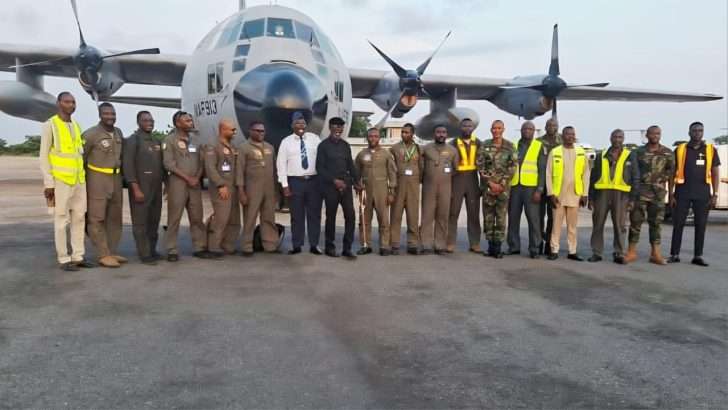

A diplomatic impasse that threatened to further destabilise the fragile relations within the West African subregion reached an amicable conclusion this weekend, as Burkinabe authorities released a Nigerian aircraft and its crew following a two-week detention in Ouagadougou.
The handover, which took place on Saturday, 20th December 2025, saw the crew received by Lieutenant Colonel (Rtd.) Larry Gbevlo Lartey, the Special Envoy for the Sahel to Ghana’s President John Mahama. The resolution is being hailed as a triumph for quiet diplomacy over regional bellicosity.
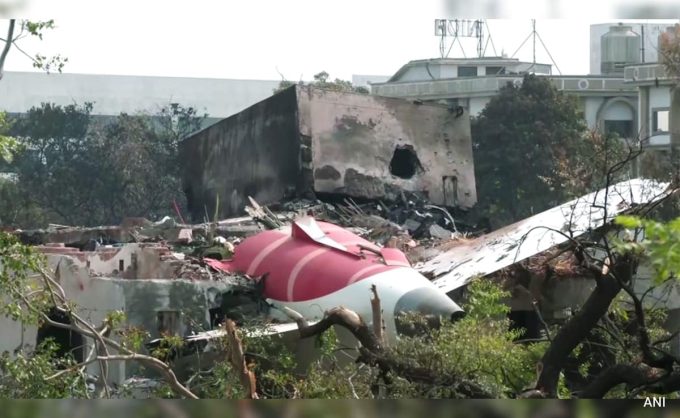
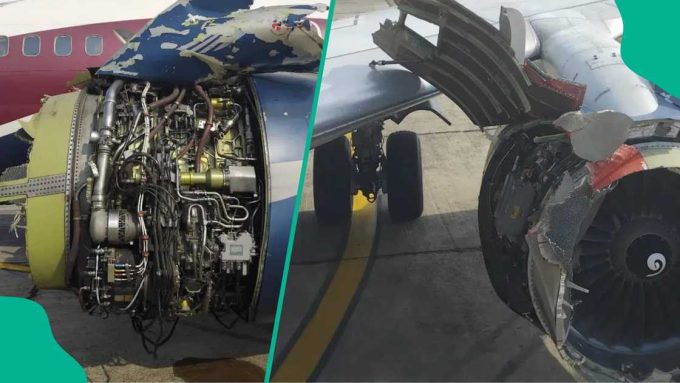
The saga commenced on 8th December, when a Nigerian Air Force vessel carrying two flight crew and nine passengers was forced to make an emergency landing in western Burkina Faso. The aircraft was reportedly en route to Portugal for essential scheduled maintenance.
While the Nigerian Air Force maintained that the landing was executed in strict accordance with international safety protocols, the incident occurred against a backdrop of acute regional friction. The Alliance of Sahel States (AES) comprising the military-led administrations of Burkina Faso, Mali, and Niger viewed the landing with profound suspicion.
In the wake of the grounding, General Assimi Goita of Mali placed the alliance’s anti-air defences on “maximum alert,” issuing a chilling authorisation to “neutralise” any further unauthorised incursions.
The detention was underscored by recent military activities in the neighbouring Republic of Benin. Earlier this month, the Nigerian Air Force conducted targeted airstrikes to quash a short-lived coup attempt in Cotonou. Given Burkina Faso’s proximity to Benin’s northwestern border, the emergency landing was interpreted by the Sahel alliance through a lens of defensive parity, further complicating the legal status of the airmen.
However, following a series of high-level ministerial dialogues, Nigeria’s Foreign Affairs Minister, Yusuf Tuggar, confirmed on Thursday that the “sustained dialogue” had borne fruit.
“The resolution reaffirms the effectiveness of diplomacy in addressing sensitive issues,” Minister Tuggar remarked, praising the willingness of Ibrahim Traoré’s administration to engage with the Nigerian delegation.
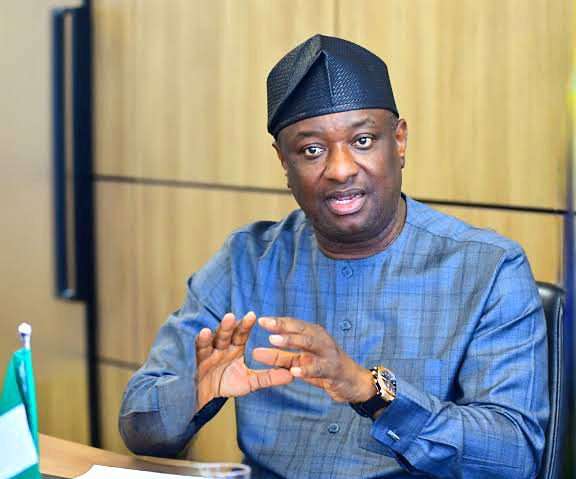
In a statement issued from Accra, the Ghanaian Minister for Government Communications, Felix Kwakye Ofosu, commended both the Nigerian and Burkinabe governments for their “neighbourly” conduct. He characterised the release as a vital demonstration of fraternal solidarity within a region currently bifurcated by the exit of the Sahel states from the Economic Community of West African States (ECOWAS).
The Nigerian crew and their passengers are currently recuperating in Ghana. Before resuming their journey to Portugal, the aircraft will undergo rigorous technical inspections to ensure airworthiness.
Whilst the immediate crisis has been averted, the incident highlights the precarious nature of West African aviation and security. Nigeria and Ghana remain the pillars of the 15-member ECOWAS bloc, while the Sahel alliance continues to forge a separate path. Analysts suggest that the successful negotiation for the crew’s release may serve as a blueprint for future de-escalation between the two competing regional factions.
For now, the Nigerian pilots await final clearance, their release serving as a rare moment of consensus in an otherwise fractured political landscape.






Leave a comment