
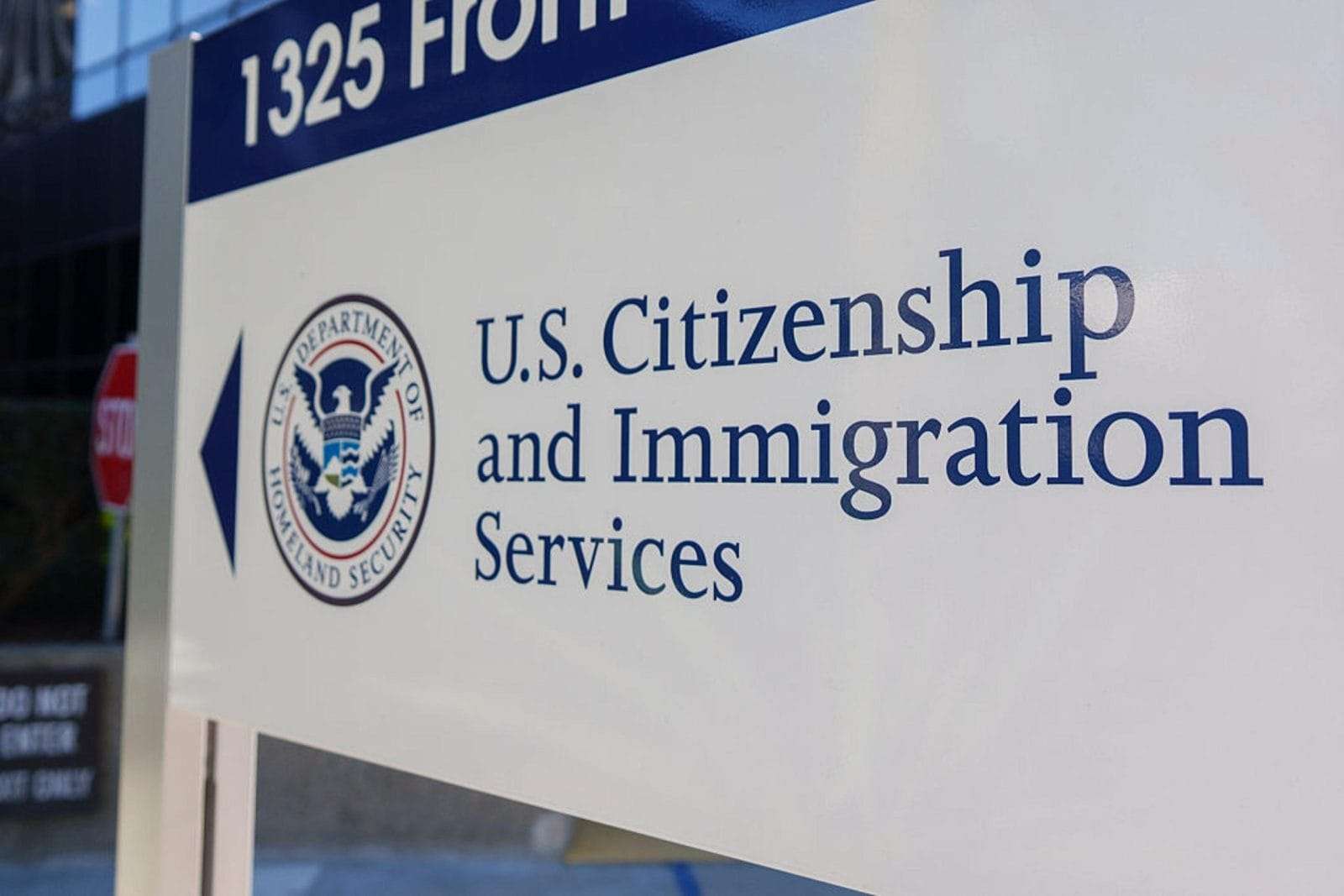

In a surprise policy reversal that has triggered widespread concern among immigration attorneys, aid groups, and foreign nationals, the Trump administration announced on Friday that foreigners seeking permanent residence in the United States must leave the country to apply from their nations of origin.
The directive dismantles a longstanding cornerstone of the American immigration system. For more than half a century, foreign nationals residing legally in the US including spouses of US citizens, student and employment visa holders, refugees, and political asylum seekers have been permitted to apply for and complete the adjustment of status process to secure a green card without departing American soil.
The new mandate from U.S. Citizenship and Immigration Services (USCIS) represents the latest in a series of restrictive measures introduced by the administration to tighten both legal and temporary immigration pathways.
Immigration experts and legal advocates quickly warned that the policy could lead to prolonged or permanent exile for many applicants. The rule arrives alongside existing administration measures that restrict or entirely ban entry from dozens of nations, alongside pauses in visa processing at various overseas consulates.
Consequently, forcing individuals to return to countries where US immigration services are currently suspended could trap them indefinitely. In a statement addressing the policy shift, the humanitarian and refugee resettlement organisation World Relief highlighted the severe risk of enforced domestic disruption:
“If families are told that the non-citizen family member must return to his or her country of origin to process their immigrant visa, but immigrant visas are not being processed there, it’s a Catch-22. These policies will effectively create an indefinite separation of families.”
According to the official USCIS announcement, foreign nationals residing temporarily in the US who wish to transition to lawful permanent residency will be required to return home to apply, unless they can demonstrate “extraordinary circumstances”. The agency did not elaborate on what qualifies as extraordinary, noting only that individual USCIS officers would retain the discretion to evaluate these claims on a case-by-case basis.
Defending the overhaul, the agency stated that temporary visas were never intended to serve as a stepping stone to permanent residency.
“Nonimmigrants, like students, temporary workers, or people on tourist visas, come to the U.S. for a short time and for a specific purpose,” the agency said in an official statement. “Our system is designed for them to leave when their visit is over. Their visit should not function as the first step in the Green Card process.”
The sudden directive has sowed profound confusion across the legal sector, as the USCIS announcement left several critical operational questions unanswered.
Notably, the agency failed to clarify whether applicants would be required to remain in their home countries for the entire duration of the green card adjudication process—which can frequently take months or years. Furthermore, the administration has yet to disclose whether the policy will be applied retroactively to the hundreds of thousands of foreign nationals whose green card applications are already underway within the United States.











Leave a comment